Please ensure Javascript is enabled for purposes of website accessibility

Minnesota Legislature Quorum Lawsuits

Minnesota Lawyer//February 6, 2026//

Minnesota Legislature Quorum Lawsuits

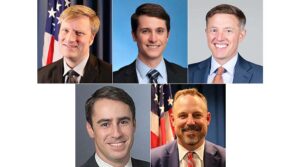
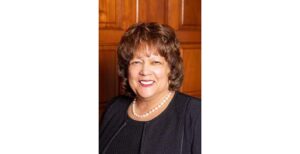
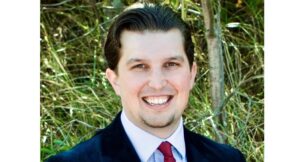
Top row, from left: Angela Behrens, Madeleine DeMeules, Peter Farrell and Liz Kramer of the Minnesota Attorney General’s Office. Bottom row, from left: Lauren Bethke, Justin Erickson and Julie Strother of the Minnesota Secretary of State’s Office; and David Zoll of Lockridge Grindal Nauen PLLP

Minnesota Legislature Quorum Lawsuits

Minnesota Lawyer//February 6, 2026//

Listen to this article

A legal team from the Minnesota Attorney General’s Office and Secretary of State’s Office resolved a constitutional crisis that threatened to paralyze the state legislature in January 2025.

When the Minnesota House of Representatives convened on Jan. 14, 2025, it faced an unprecedented quorum question. With one vacant seat in the 134-member chamber, Republicans held 67 seats to Democrats’ 66. Republicans claimed their 67 members constituted a majority quorum and proceeded to elect a speaker. Democrats disagreed, arguing that a quorum required 68 members — a majority of all seats, not just filled ones.

The dispute centered on a single constitutional phrase: “A majority of each house constitutes a quorum to transact business.” No Minnesota court had ever determined whether vacancies reduced the number required for a quorum.

On that first day of session, Solicitor General Liz Kramer led a team that filed a petition for a writ of quo warranto at the Minnesota Supreme Court on behalf of Secretary of State Steve Simon. The Attorney General’s Office team included Deputy Solicitor General Peter Farrell, Division Manager Angela Behrens and Assistant Attorney General Madeleine DeMeules. The Secretary of State’s Office contributed Deputy Secretary of State Julie Strother, General Counsel Justin Erickson and Deputy General counsel Lauren Bethke.

The attorneys surveyed interpretations of similar constitutional language from courts nationwide, examined Minnesota’s constitutional debates, reviewed legislative practice and analyzed illustrative text from the state constitution. In 10 days, they filed the petition and a reply brief, argued before the Supreme Court and received a decision.

Kramer argued that the quorum should not change with vacancies, noting that each seat represents a proportion of voting citizens.

David Zoll, partner at Lockridge Grindal Nauen PLLP who represented DFL leader Melissa Hortman, echoed Kramer’s position that 68 votes were required for a quorum.

On Jan. 24, 2025, the Supreme Court ruled that “a quorum requires a majority of the total number of seats of each house. Vacancies do not reduce the number required for a majority of each house to constitute a quorum.”

Following the decision, both parties negotiated a power-sharing agreement, allowing legislative work to proceed.

Top News

See All Top News

Legal calendar

Click here to see upcoming Minnesota events

Expert Testimony

See All Expert Testimony