


 Free Newsletter

Navigating Legal Complexities in Agriculture Operations Across Minnesota and North Dakota
By Sarah R. Jewell and Adam Seward//June 15, 2026//
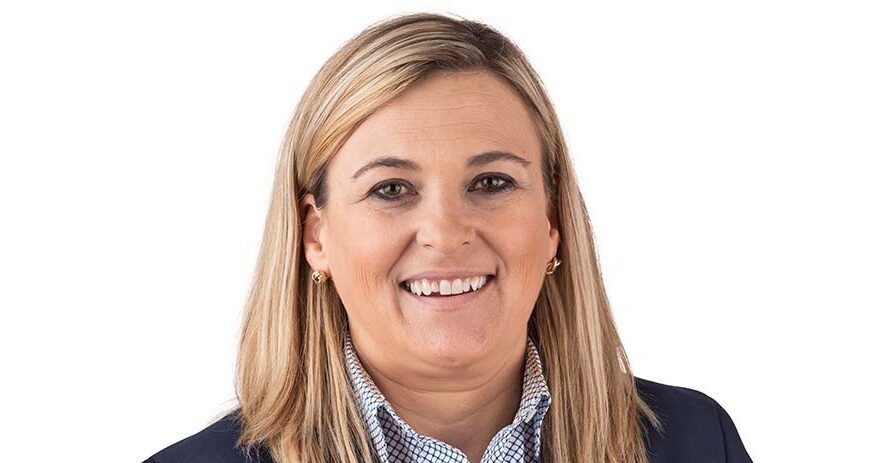
Sarah R. Jewell
Navigating Legal Complexities in Agriculture Operations Across Minnesota and North Dakota
By Sarah R. Jewell and Adam Seward//June 15, 2026//


Minnesota and North Dakota play vital roles in the Upper Midwest’s agricultural economy. While the states share many industry characteristics, they differ in regulatory structures, enforcement priorities, and administrative processes. Agricultural and rural businesses operating across state lines must account for variations in jurisdiction, environmental compliance, employment regulation, real estate requirements, and legal enforcement. Without careful planning, these differences can lead to regulatory challenges, operational delays, or liability exposure.
Agricultural and rural law intersects closely with employment, business, real estate, and civil litigation matters. These matters can directly impact expansion, modernization, or succession planning. Addressing real estate concerns early helps protect valuable assets and supports long-term operational goals. Employment law is also a critical consideration for rural businesses.
Employers must comply with wage and hour laws, worker classification standards, workplace safety regulations, and evolving employment practices. These issues are especially complex in rural and production-based environments, where seasonal labor and physically demanding work are common. Proactive employment guidance helps agricultural and rural employers reduce risk while maintaining compliant, productive workplaces.
Civil litigation expertise is equally important for rural and agricultural clients. Disputes may arise involving property rights, employment matters, or regulatory enforcement. An effective litigation strategy protects business interests, preserves relationships where possible, and ensures continuity in family and community-based operations.
For example, a recent case our office handled, In re the Trust Agreement of Doris M. Vos and Linus T. Vos, Attorneys Sarah Jewell and Adam Seward successfully voided a contract for deed that had exploited an elderly man with advanced dementia, protecting his estate and ensuring his assets would be distributed according to his original wishes.
The case centered on Linus Vos, who in April 2021 signed a contract for deed selling his 160-acre family farm to his daughter Tamara Fischer and son-in-law Gary Fischer for $102,000 — approximately 10% of its tax-appraised value of over $1 million. The sale contradicted the 2013 trust agreement Vos had established with his late wife Doris, which documented an equal three-way split of family assets among all three Vos heirs. The legal team represented Joel Vos, who is Linus Vos’ son and a trustee, and a trust beneficiary.
At trial, the attorneys presented comprehensive evidence of Linus Vos’ mental incapacity. Medical records showed Vos had been diagnosed with dementia a decade earlier. In January 2021, just months before signing the contract, Vos was hospitalized with stroke-like symptoms, seizures, and acute confusion, requiring intensive care and rehabilitation. Cognitive testing during his February 2021 rehabilitation placed Vos in the moderate dementia range. The legal team introduced testimony from trust beneficiaries, in-home care providers, and expert witness Dr. William Orr, a board-certified geriatric and forensic psychiatrist.
In September 2025, Judge Heidi E. Schultz ruled the contract for deed null and void, ordering the 160-acre farm returned to the trust for distribution in accordance with its original terms. In addition, Judge Schultz awarded Petitioners over $150,000 in legal fees and costs from the trust to reimburse them for bringing the claims, which benefitted all of the trust beneficiaries by restoring the majority of farm’s value back into the trust corpus.
In addition to representing clients across the core practice areas of business, employment, real estate, and civil litigation, River Valley Law regularly handles matters arising in agricultural and rural settings throughout Minnesota and North Dakota. That focus is informed by longstanding leadership in agricultural law. Sarah Jewell has served on the Minnesota State Bar Association’s Rural and Agricultural Law Section Council for a decade and held every executive leadership position within the section twice—experience that provides practical, policy-driven insight into the unique legal challenges facing rural communities and businesses.
By combining a deep knowledge of agriculture with broader business and litigation expertise, legal counsel can help agricultural and rural enterprises remain resilient supporting not only compliance but long-term success. The clients we serve benefit from coordinated guidance addressing regulatory compliance, employment practices, real estate issues, and dispute resolution. Viewing these areas together allows these businesses to operate efficiently, anticipate and manage risk, protect assets, and respond effectively when legal issues arise.
As agricultural and rural industries adapt to technological advances, workforce challenges, and evolving regulations, the need for informed legal guidance across Minnesota and North Dakota will continue to grow.
Sarah Jewell, founder of River Valley Law, P.A., represents individuals and businesses in a wide range of civil matters, including administrative law, ag law, business law, civil litigation, employment law, and real estate.
Adam Seward is an associate attorney at River Valley Law, P.A., where he focuses on civil litigation, appellate advocacy, and supporting the firm’s agriculture law practice.
Related Content





Legal Tech
- New dedicated coverage of tech challenges facing law firms and legal departments
- Gemini Legal launches DraftEngine for civil litigation forms
- Lawyers continue to grapple with AI ethical issues
Top News
- Applications sought for 5th District judgeships
- Federal judge denies online casino’s arbitration bid
- Legal group warns abortion opponents to stop ‘twisting’ mom’s story
- Ramsey County sues DHS over Thao investigation records
- Breaking the Ice: Immigration roundtables offer connection, strategy





Expert Testimony
- Perspectives: It’s not ‘football’ here, but soccer cases abound
- AI prompts used by experts may be discoverable
- Perspectives: 250th anniversary recalls Declaration decisions
- Perspectives: ‘Pentagon Papers’ case at 55 not far from Near


