


 Free Newsletter


Depositphotos.com Image
Musk’s xAI sues Minnesota over AI nudification ban
Laura Brown//July 30, 2026//


Elon Musk’s company xAI has sued Minnesota in anticipation of its ban on nudification. The lawsuit claims that the law will force companies to restrict constitutionally protected speech or face steep penalties.
Beginning Aug. 1, Minnesota will become the first state in the nation to prohibit consumer access to and promotion of AI nudification technology — artificial intelligence tools that digitally alter images or videos to make people appear nude without their consent. The law targets websites, apps, software, and other services that allow users to create or access AI-generated nudified images, and also bans advertising or promoting those services.
Violations carry significant consequences. Businesses or individuals who allow unlawful access, downloads, or use of AI nudification tools can face civil penalties of up to $500,000 per violation. In addition, anyone depicted in a nudified image or video may file a civil lawsuit seeking compensatory damages, including up to three times actual damages for mental anguish, as well as punitive damages, injunctive relief, and attorney fees.
The lawsuit was filed in federal district court in Minnesota. The complaint argues that Minnesota’s law, HF 1606, while intended to combat nonconsensual AI-generated nude images, is unconstitutionally broad and infringes on First Amendment rights. According to the complaint, the law imposes strict liability on AI providers whenever a user generates or edits an image depicting an “intimate part,” regardless of whether the provider prohibited the conduct, implemented effective safeguards, or had any knowledge of the user’s actions.
The plaintiffs contend that there is no safe harbor for companies acting in good faith and that liability applies even when depicted individuals consented, created the image themselves, never shared the image, or when the image has artistic, educational, scientific, political, medical, satirical, or religious value.
The lawsuit also challenges the law’s expansive definition of “intimate part,” arguing that it extends beyond nudity to include body parts commonly visible in public, potentially encompassing ordinary images of people in swimsuits, shorts, or shirtless men. With civil penalties reaching up to $500,000 per image and private lawsuits authorized against AI providers, the complaint argues that HF 1606 will force companies to restrict lawful image-generation features, chilling protected speech.
Related Articles
Related Content



Top News
- Justices disbar former chief public defender Benson
- 7th Circuit affirms Enbridge trespass on Wisconsin tribal land, orders pipeline move
- An unwritten federal policy is blocking workers’ discrimination claims
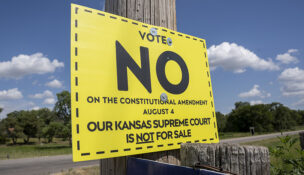
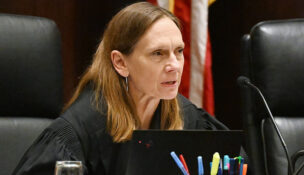
- Kansas Supreme Court election battle could reshape abortion and voting rights
- 50-year sentence for youth killer is unconstitutional, Michigan justices rule







Expert Testimony
- Quandaries & Quagmires: Fast-Tracking Temporary Lawyer Suspensions
- Perspectives: ‘Slam’ suits: Recalling wrestling cases as WWE arrives
- Best At Work Insights: We tore out the workforce backup generator
- Legally Speaking: How communication failures turn disputes into lawsuits
Legal Tech Directory


Legal Tech
- AI in practice: How new technology is affecting litigation practice
- Experts foresee legal malpractice risk for those who eschew AI
- Legal Decoder launches AI-powered billing analytics interface


